Why so SGW work for Gender Equality?

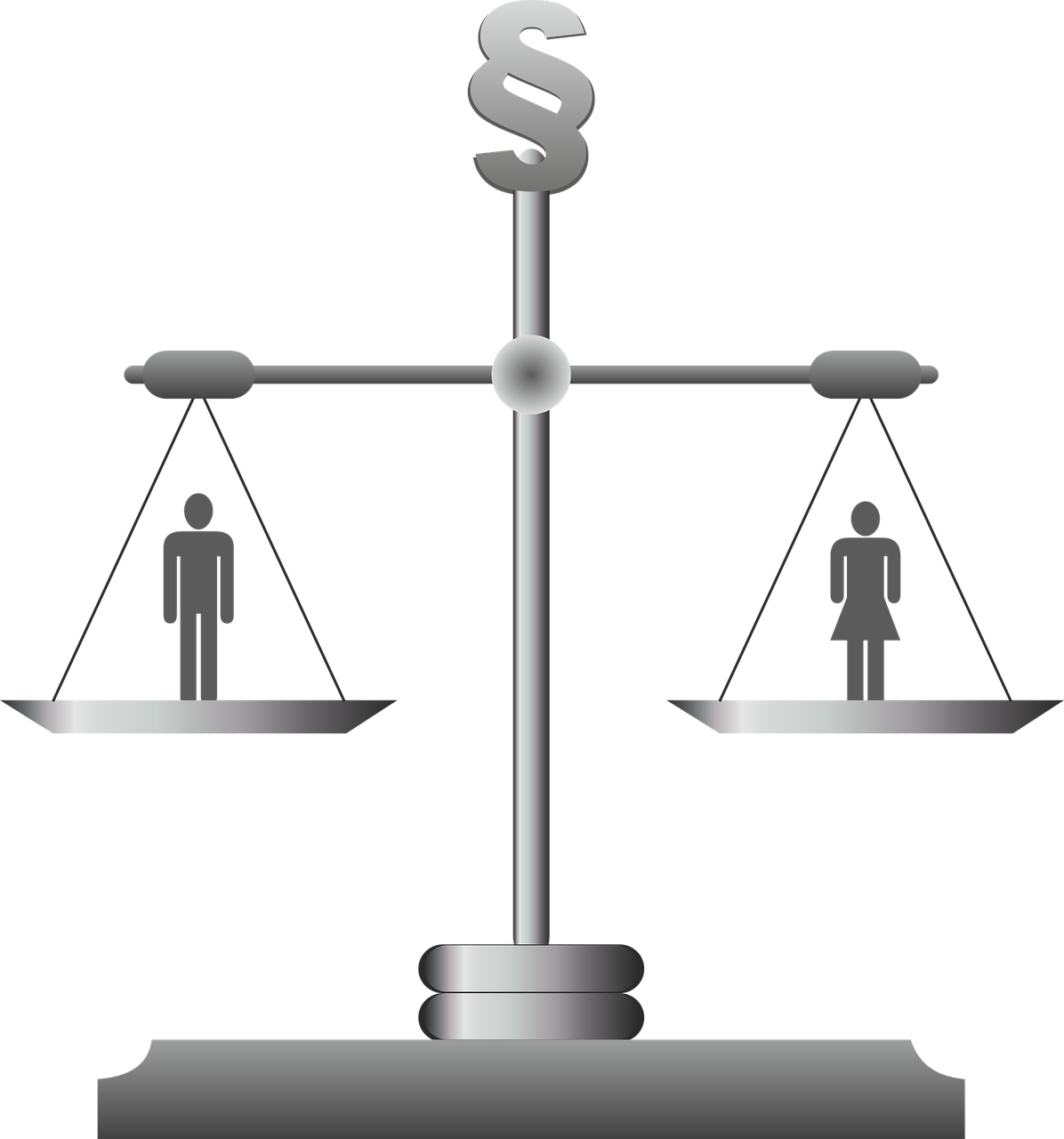
When gender equality increases, poverty decreases
More women than men live in poverty in Samburu County. This is because girls and women have less access to education, labour and other resources that provide economic opportunities and development, compared to boys and men. Strengthening the rights and equal opportunities of girls and women is key to reducing poverty.
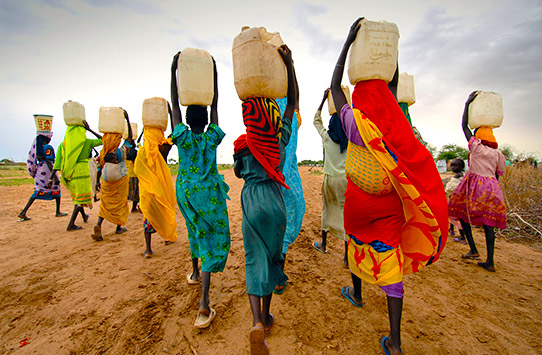
Women’s economic empowerment benefits everyone
In Samburu County where women participate in providing for their families in the same way as men are more likely to take control of their lives: leaving abusive relationships, participating in politics, owning land and paying for education for their children. Society as a whole benefits when women earn money and have access to financial services.
Equal societies are more peaceful
In communities where women and minority groups are oppressed, violence against them is often justified. There is often a perception that men using violence is something positive and natural. Societies that are more equal are more peaceful.

Examples of what SGW has contributed to
Gender equality increases when everyone participates
Through SGW’s work, the human rights of women and girls are strengthened, economic equality and justice increase, more women can participate in politics and gender-based violence is counteracted. To increase gender equality, power structures between women and men and social gender norms need to be changed. Everyone needs to participate in the work and start from the reasons that lead to an unequal distribution of power between men and women.
Contributes to increased economic empowerment for women
SGW strengthens women’s economic empowerment: increases their access to, and control over, economic resources, which leads to greater opportunities to influence their situation and society at large. Supporting women’s economic empowerment through farming paves the way for greater gender equality and economic justice.
When girls go to school, gender equality increases
Education for girls and women is crucial for increasing gender equality and reducing inequalities. SGW helps ensure that more girls can go to school. This increases their participation in the labour market, improves their health and reduces the likelihood that they will be married off at a young age. Mentorship programmes enhanced to build self esteem of learners in addressing issues that affects them.The programme targeted training of Guidance and Counselling teachers to support gilrsand boys in school to enhance transition of learners.
SGW's WORK
With gender equality
There is a growing resistance to gender equality and women’s and girls’ rights globally, which is closely linked to the resistance to sexual and reproductive health and rights (SRHR). This resistance is part of the global democratic decline. This affects not only women, and girls’s rights, as gender equality is needed to achieve a more just and sustainable society for all people. Fair and sustainable global development depends on equality between women and men, girls and boys Poverty affects the lives of both women and men, but it hits women and girls hardest. To reduce poverty, society’s resources need to be redistributed more fairly from a gender perspective. Only when women have equal access to education, health care, opportunities to earn a living and participate in decision-making – both in the home and politically – will world poverty decrease The cooperation with government and development partners is central to SGW’s work for increased gender equality. They advocate for gender equality and hold decision-makers accountable for the fulfillment of county and national gender equality goals SGW’s work for increased gender equality is based on analyses of the situation of women and girls and men and boys, as well as discrimination against other groups in society
Gender-based violence
round one third of women worldwide are estimated
to have experienced physical or sexual violence in intimate relationships in
their lifetime. Women and girls are particularly affected in crises, wars and
conflicts. Men and boys are also victims. Violence is increasingly digitalised.
Gender-based violence includes:
1. Domestic violence: physical, sexual, psychological or economic violence or the threat of violence.
2. Sexual violence: sexual exploitation, abuse and sexual harassment.
3. Human trafficking for sexual purposes
4. Child and forced marriages
5. Honour-based violence and oppression
Female genital mutilation
To effectively combat gender-based violence, it
is crucial to use knowledge of the situation where the violence occurs. SGW
works with civil society organizations to combat gender-based violence. Here
are some examples of programmes and projects that SGW supports:
Preventing genital mutilation
Preventing and combating harmful practices is
important in the fight against gender-based violence. In Samburu County, SGW
has contributed to a plan to eradicate female genital mutilation and to the
provision of care and counselling for thousands of girls who have been
subjected to it. An estimated 1,000 girls have escaped genital mutilation
thanks to active monitoring of girls at risk. Nearly three thousand people in
the region have been engaged and actively opposed to female genital mutilation.
Fewer child marriages
One in five girls in the county are married off
before the age of 16. SGW collaborates with community champions in advocating
for reduction of child marriage. SGW organises youth groups and engages fathers
in gender equality work.
Men and boys also benefit from a more equal world
If women and men are to have the same power and
opportunities to shape their lives, men need to be committed to gender
equality. By involving men and boys in the work for gender equality, harmful
norms of masculinity that affect both women and men and girls and boys can be
changed.
Here are some examples of programmes and projects
that SGW supports:
Engaging men for gender equality
In Samburu County,SGW engage men and boys in gender equality issues and in changing norms. One example is the Because I’m a man campaign, which has had a major impact in parts of the county. Another programme that engages men and boys in gender equality is carried out in cooperation with the global network MenEngage Alliance, which has over 1000 member organisations in 84 countries. MenEngage Alliance’s mission is to promote gender equality by changing harmful norms around masculinity and ‘being a man’. They also conduct campaigns and advocacy work to change

SGW's work is focused on thematic areas that are of particular importance for combating poverty in the County, such as democracy, gender equality, climate and peaceful societies.
